Cardiogen Peptide Research: Exploring Cardiac Bioregulator Potential
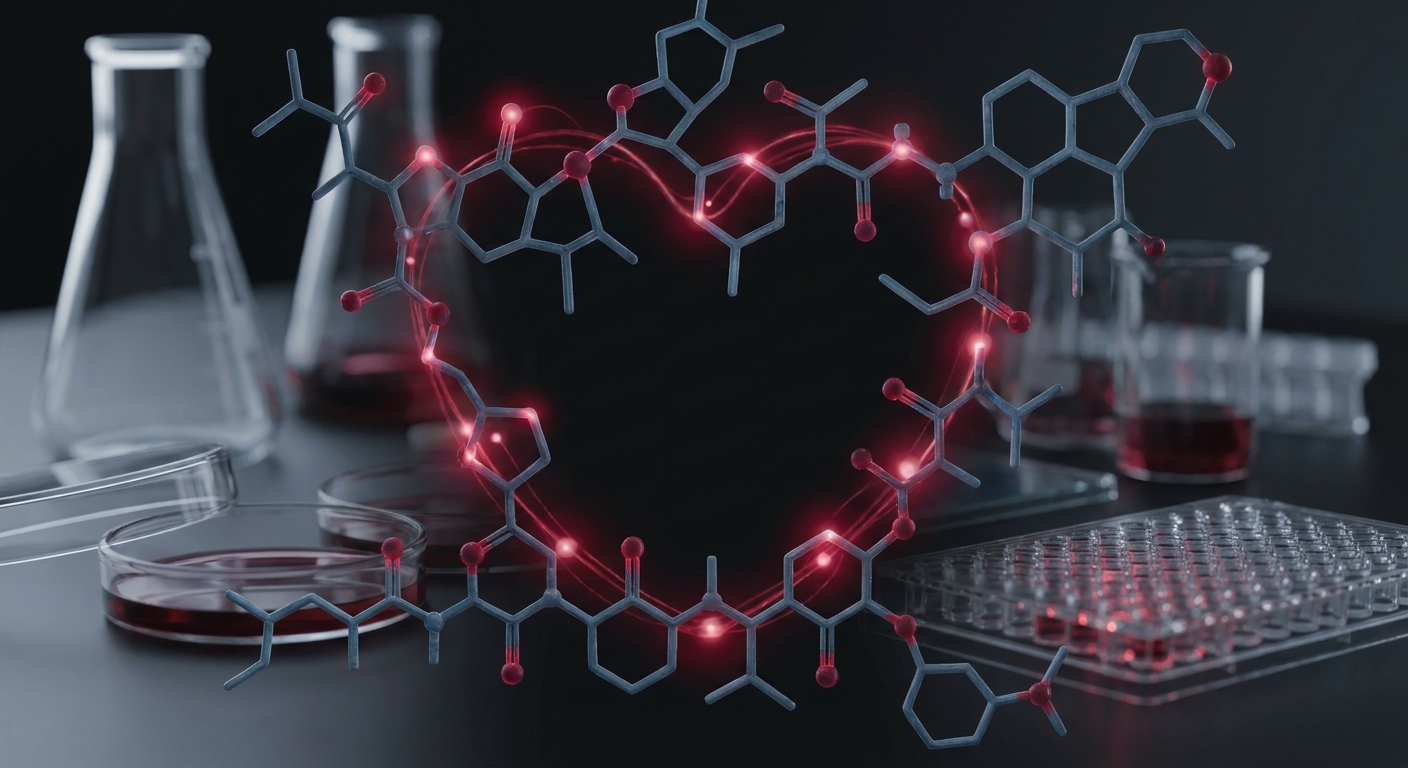
The field of peptide research continues to unlock novel compounds with profound biological effects. Among these, bioregulator peptides have garnered significant attention for their ability to influence specific cellular processes. Cardiogen cardiac peptide bioregulator research focuses on a class of peptides that play a crucial role in maintaining cardiac function and integrity. These peptides are believed to act through highly specific mechanisms, modulating gene expression and protein synthesis within cardiac cells. Understanding the intricate workings of Cardiogen is vital for researchers investigating cardiovascular health and related pathologies at a cellular and molecular level.
What Is Cardiogen?
Cardiogen is a peptide that has been investigated for its role as a bioregulator within the cardiovascular system. Bioregulator peptides, in general, are short chains of amino acids that are naturally produced in the body and are involved in regulating various physiological processes. Specifically, Cardiogen is thought to be involved in the regulation of cardiac muscle cells (cardiomyocytes) and the overall health of the heart. Its bioregulator function implies that it can influence the activity and function of target cells without causing direct toxicity, instead promoting a return to a more optimal physiological state. This targeted action makes it a compelling subject for scientific inquiry, particularly in understanding the complex signaling pathways that govern cardiac performance and resilience.
The discovery and subsequent research into peptides like Cardiogen are often driven by the identification of naturally occurring signaling molecules within tissues. These endogenous peptides can have diverse roles, from hormone-like functions to acting as local mediators of cellular communication. Cardiogen's designation as a cardiac peptide bioregulator suggests its primary sphere of influence is within the heart. Research into its structure and function aims to elucidate how it interacts with cellular components, such as receptors or intracellular signaling cascades, to elicit its regulatory effects. This detailed molecular understanding is the foundation for exploring its potential in various research contexts.
Research Mechanisms of Cardiogen
The precise mechanisms by which Cardiogen exerts its bioregulatory effects are a primary focus of ongoing scientific research. It is hypothesized that Cardiogen, like other bioregulator peptides, operates by interacting with specific cellular targets. These targets could include cell surface receptors, influencing downstream signaling pathways that control gene expression, protein synthesis, or cellular metabolism within cardiomyocytes. Alternatively, it might act intracellularly, directly modulating enzymatic activity or binding to DNA to alter transcriptional processes.
One potential mechanism involves the modulation of cellular stress responses. The heart is constantly subjected to various forms of stress, including mechanical load, oxidative stress, and metabolic challenges. Bioregulator peptides are often implicated in cellular defense mechanisms and repair processes. Cardiogen might play a role in enhancing the cell's ability to cope with these stressors, thereby preserving cardiac function. Studies are exploring whether Cardiogen can influence the expression of genes related to antioxidant defense, protein folding, or inflammatory pathways within cardiac cells.
Furthermore, research is investigating Cardiogen's potential influence on cellular differentiation and proliferation. In developmental biology and tissue repair, peptides can act as signaling molecules to guide cell fate and tissue regeneration. While Cardiogen's primary role is considered regulatory, understanding if it influences the behavior of cardiac progenitor cells or aids in the maintenance of mature cardiomyocyte populations is crucial. This line of inquiry is particularly relevant for understanding cardiac tissue maintenance and potential repair processes. The complexity of these interactions underscores the need for detailed molecular studies to fully map Cardiogen's functional pathways.
Key Study Findings on Cardiogen
Early research into bioregulator peptides often involves characterizing their effects in cellular and animal models. For Cardiogen, studies have aimed to identify its specific actions within cardiac tissue. Some research has suggested that Cardiogen may influence the energy metabolism of cardiomyocytes, potentially enhancing their efficiency under conditions of increased demand. This could involve modulating the expression or activity of key enzymes involved in ATP production or substrate utilization within the heart muscle.
Another area of investigation has been Cardiogen's potential role in mitigating cellular damage. Studies have explored whether the peptide can offer protection against various forms of injury, such as those induced by ischemia-reperfusion, oxidative stress, or toxic agents. Findings in these areas are crucial for understanding the peptide's potential to support cardiac resilience. For instance, research might examine markers of cellular damage, apoptosis, or inflammation in cardiac cells treated with Cardiogen under stress conditions.
In preclinical studies, the administration of Cardiogen has been investigated for its impact on physiological parameters related to cardiac function. These studies, often conducted in animal models, may assess outcomes such as cardiac contractility, heart rate variability, and electrophysiological properties. While these findings are preliminary and require further validation, they provide valuable insights into the potential biological activities of Cardiogen. Researchers are actively seeking to replicate and expand upon these findings to build a comprehensive understanding of this cardiac peptide bioregulator's capabilities. The scientific literature, including studies found on platforms like PubMed, provides a growing repository of information on such peptides.
For example, research has explored the effects of short peptide fragments derived from proteins involved in cardiac function. While not always directly referring to a specific named peptide like 'Cardiogen' in every study, the underlying principles of peptide bioregulation in the heart are well-documented. Studies such as [Khavinson et al., 2013](https://pubmed.ncbi.nlm.nih.gov/23795242/) have investigated the impact of short synthetic peptides on age-related changes in various organs, including the heart, suggesting a role for peptide bioregulators in modulating cellular aging processes. Such work provides a broader context for understanding the potential of targeted peptides in cardiovascular research.
Research Applications and Future Directions
The research surrounding Cardiogen cardiac peptide bioregulator holds potential for various scientific applications. Primarily, it serves as a valuable tool for fundamental research into cardiovascular physiology and pathophysiology. By studying how Cardiogen interacts with cardiac cells and influences their function, scientists can gain deeper insights into the complex mechanisms governing heart health and disease. This fundamental knowledge is essential for identifying new therapeutic targets and strategies for managing cardiovascular conditions.
Furthermore, Cardiogen research may contribute to the development of novel strategies for supporting cardiac recovery and function in research settings. For example, in studies involving induced cardiac injury or age-related decline in animal models, Cardiogen could be investigated as an agent to help preserve or restore cellular integrity and function. This aligns with broader research trends in exploring peptides for tissue regeneration and repair, areas relevant to categories such as recovery and healing peptides.
The potential applications extend to exploring the peptide's role in cellular aging and stress resistance, aligning with research in anti-aging peptide research. Understanding how Cardiogen influences cellular resilience could provide avenues for investigating its effects on age-related cardiac changes in experimental models. Moreover, as research progresses, Cardiogen could potentially be used in conjunction with other investigational compounds, such as those related to HGH and growth hormone research, to explore synergistic effects on cellular function and repair. The investigation into its specific mechanisms also opens doors for exploring its potential in areas beyond direct cardiac function, such as its influence on metabolic pathways which might be relevant to fat loss peptide research, or its impact on cellular signaling that could indirectly affect areas like cognitive support peptide research by influencing systemic cellular health.
Future research directions will likely involve more detailed molecular investigations, including transcriptomic and proteomic analyses, to fully elucidate Cardiogen's signaling pathways. High-throughput screening and advanced imaging techniques will also be crucial for identifying its specific cellular targets and understanding its dynamic interactions within the cardiac environment. The development of more targeted delivery systems and the exploration of synergistic effects with other compounds could also be areas of future focus. Researchers are continually seeking innovative compounds, and the exploration of peptides like Cardiogen, available for research purposes from suppliers like PeptideBull.com, is a testament to this drive. The product [Cardiogen](https://peptidebull.com/products/cardiogen) is offered for laboratory research and is not intended for human consumption.
Frequently Asked Questions
What is the primary function of Cardiogen in research?
In research settings, Cardiogen is studied as a cardiac peptide bioregulator. Its primary function of interest is its potential to influence the health, function, and resilience of cardiac cells and tissues at a molecular and cellular level. Researchers use it to investigate underlying mechanisms of cardiovascular physiology and pathology.
Are there clinical applications for Cardiogen?
Currently, Cardiogen is intended strictly for laboratory research purposes. Its potential clinical applications are still under investigation and have not been established. It is crucial to adhere to the guidelines for research compounds and avoid any suggestion of human use or medical advice.
How does Cardiogen differ from other cardiac medications?
Cardiogen is a peptide bioregulator investigated for its intrinsic biological signaling capabilities within cardiac cells. Unlike conventional cardiac medications that may target specific receptors or enzymes to exert pharmacological effects, Cardiogen is studied for its potential to modulate cellular processes in a more fundamental, regulatory manner. Its mechanism of action is distinct and is the subject of ongoing scientific inquiry.
Where can researchers find Cardiogen for study?
Researchers can source Cardiogen for laboratory use from specialized scientific suppliers. PeptideBull.com offers Cardiogen as a research chemical, emphasizing that all products are for research use only and not for human consumption or diagnostic purposes.
What are the potential areas of research focus for Cardiogen?
Key research areas for Cardiogen include understanding its role in cardiac cell metabolism, stress response, protection against cellular damage, and potential influence on cellular aging within the cardiovascular system. Its bioregulator properties make it a subject of interest for fundamental cardiovascular science.
Is Cardiogen a hormone or a drug?
Cardiogen is classified as a peptide bioregulator. While peptides can function similarly to hormones by acting as signaling molecules, Cardiogen is specifically investigated for its regulatory role within cardiac cells. It is not classified as a conventional pharmaceutical drug and is strictly for research use.