Glutathione: The Master Antioxidant in Oxidative Stress Research
Oxidative stress is a fundamental biological process implicated in aging, disease, and cellular damage. At the forefront of cellular defense against this pervasive threat stands Glutathione (GSH), a tripeptide molecule that plays a crucial role as the body's master antioxidant. Understanding the intricate mechanisms by which Glutathione operates and its implications in various research settings is vital for advancing our knowledge of cellular health and disease pathology. This article explores the multifaceted nature of Glutathione in the context of oxidative stress research, highlighting its significance for scientists and researchers working with this vital compound.
What Is Glutathione?
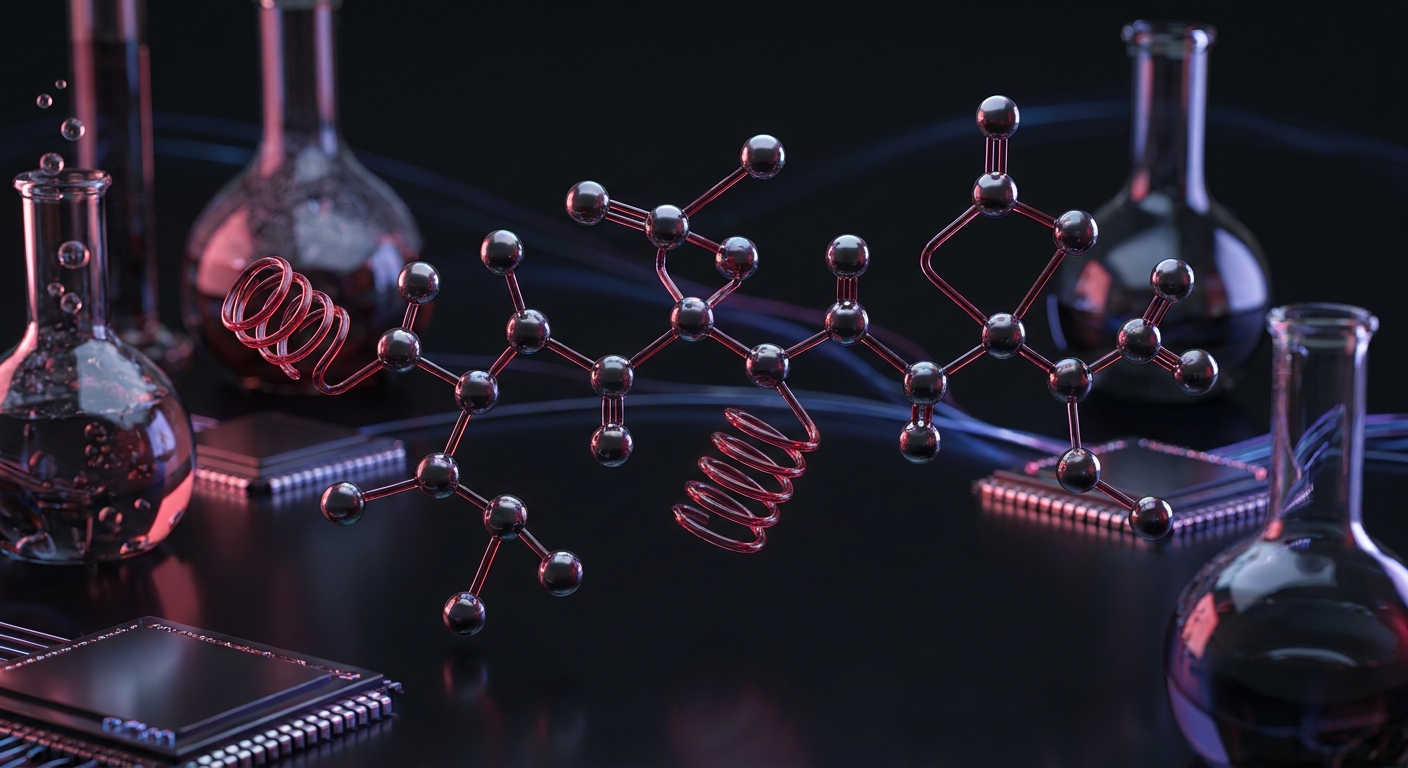
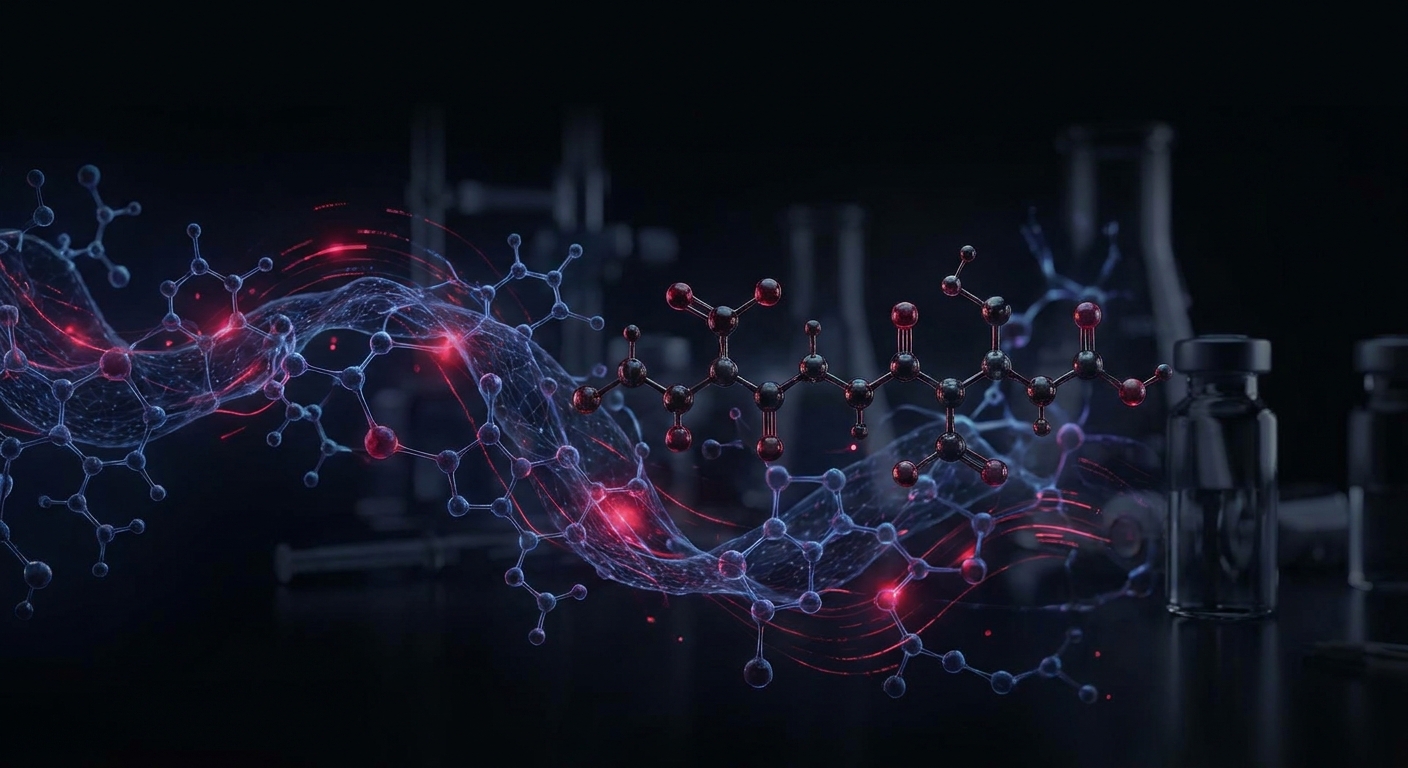
Glutathione, or L-γ-glutamyl-L-cysteinylglycine, is a ubiquitous intracellular tripeptide thiol synthesized from the amino acids L-glutamate, L-cysteine, and glycine. Its unique structure, particularly the sulfhydryl (-SH) group on the cysteine residue, is the key to its potent antioxidant activity. This sulfhydryl group readily donates electrons to neutralize reactive oxygen species (ROS) and reactive nitrogen species (RNS), thereby protecting cellular components like DNA, proteins, and lipids from oxidative damage. Glutathione exists in two forms within cells: reduced glutathione (GSH), the active antioxidant form, and oxidized glutathione (GSSG), formed when GSH donates an electron. The ratio of GSH to GSSG is a critical indicator of cellular redox status and overall cellular health.
The synthesis of Glutathione is catalyzed by two ATP-dependent enzymes: gamma-glutamylcysteine synthetase (GCL), the rate-limiting enzyme, and glutathione synthetase (GS). Maintaining adequate intracellular levels of Glutathione is essential, and its synthesis can be influenced by the availability of its constituent amino acids, particularly cysteine, which is often the limiting factor. Researchers often investigate factors that influence Glutathione synthesis and levels, including nutrient status and the presence of certain signaling molecules. For researchers interested in modulating Glutathione levels, exploring various peptide compounds and their biochemical properties is a key area of investigation. For those focusing on the foundational molecule itself, direct research on [Glutathione](https://peptidebull.com/products/glutathione) is essential.
Glutathione's Role in Oxidative Stress Defense Mechanisms
Glutathione's protective capabilities against oxidative stress are multifaceted, operating through several critical biochemical pathways:
- Direct ROS Scavenging: The sulfhydryl group of GSH directly reacts with and neutralizes a wide array of ROS, including superoxide radicals (O2•−), hydrogen peroxide (H2O2), and hydroxyl radicals (•OH), converting them into less harmful substances.
- Substrate for Glutathione Peroxidase (GPx): Glutathione is a crucial co-factor for the glutathione peroxidase enzyme family. GPx enzymes catalyze the reduction of hydrogen peroxide and lipid hydroperoxides to water and lipid alcohols, respectively, using GSH as the electron donor. This process is vital for preventing lipid peroxidation and protecting cell membranes. A key study by Brigelius-Flohé and Maiorino (1999) detailed the enzymatic mechanisms of selenium-dependent GPx, underscoring GSH's role [Brigelius-Flohé and Maiorino, 1999](https://pubmed.ncbi.nlm.nih.gov/10564609/).
- Regeneration of Vitamin E: Glutathione also plays a role in regenerating the antioxidant capacity of vitamin E (α-tocopherol), another critical lipid-soluble antioxidant, thereby enhancing the protection of cell membranes from lipid peroxidation.
- Detoxification via Glutathione S-Transferases (GSTs): Glutathione S-transferases are a superfamily of enzymes that catalyze the conjugation of GSH to various xenobiotic and endogenous electrophilic compounds, including toxins, carcinogens, and drug metabolites. This conjugation process typically renders these compounds more water-soluble, facilitating their excretion from the body. This detoxification pathway is crucial for protecting cells from the damaging effects of harmful substances.
- Maintenance of Redox Balance: The GSH/GSSG ratio serves as a critical indicator of cellular redox potential. A higher GSH/GSSG ratio indicates a more reduced, and generally healthier, cellular environment, while a lower ratio signifies increased oxidative stress.
The intricate interplay between Glutathione and these enzymatic systems forms a robust defense network against oxidative damage. Research often focuses on how factors like aging, disease states, or environmental exposures disrupt this balance, leading to increased oxidative stress. Understanding these pathways is crucial for developing targeted interventions in research settings. For instance, studies investigating the efficacy of compounds that support cellular antioxidant systems might examine their impact on Glutathione levels and the activity of related enzymes.
Key Research Findings on Glutathione and Oxidative Stress
Numerous studies have underscored the pivotal role of Glutathione in mitigating oxidative stress across diverse biological contexts. Research consistently demonstrates that reduced Glutathione levels or impaired Glutathione metabolism are associated with increased susceptibility to oxidative damage and are often observed in various pathological conditions.
One significant area of research involves neurodegenerative diseases, such as Alzheimer's and Parkinson's disease. Studies have reported lower levels of Glutathione in the brain tissue of individuals affected by these conditions, suggesting a link between compromised antioxidant defense and neuronal degeneration [Sian et al., 1994](https://pubmed.ncbi.nlm.nih.gov/8132441/). The accumulation of oxidative damage to neuronal cells is a hallmark pathology in these diseases, and inadequate Glutathione activity is believed to exacerbate this process. Researchers explore whether enhancing Glutathione synthesis or activity could offer neuroprotective benefits.
In cardiovascular research, oxidative stress plays a critical role in the development of atherosclerosis and heart failure. Glutathione's role in protecting endothelial cells from ROS-induced damage is well-documented. Studies have shown that impaired Glutathione antioxidant capacity can contribute to endothelial dysfunction, a precursor to cardiovascular disease. Research in this area often examines the effects of various compounds on endothelial Glutathione levels and their subsequent impact on vascular health.
Furthermore, research in aging studies consistently highlights the decline in cellular Glutathione levels with age. This age-related reduction in antioxidant capacity is thought to contribute to the increased vulnerability to oxidative stress observed in older individuals, potentially accelerating the aging process and the onset of age-related diseases. Investigations into anti-aging strategies often consider interventions aimed at boosting endogenous Glutathione production or providing exogenous sources. This aligns with the growing interest in compounds that support cellular health and longevity, a category that includes many peptides relevant to [anti-aging-peptides](https://peptidebull.com/shop?category=anti-aging-peptides).
The field of exercise physiology also extensively studies Glutathione. While acute exercise can transiently increase oxidative stress, regular training leads to an upregulation of the antioxidant defense system, including enhanced Glutathione levels and enzyme activity. This adaptation helps protect against exercise-induced oxidative damage and improves overall cellular resilience. Researchers in this domain might explore the impact of specific training regimens or nutritional interventions on Glutathione status. The recovery and healing aspects of exercise are also relevant, linking to categories like [recovery-healing-peptides](https://peptidebull.com/shop?category=recovery-healing-peptides).
Research Applications and Future Directions
The profound importance of Glutathione in cellular defense against oxidative stress opens up numerous avenues for research applications. Scientists utilize various models and methodologies to investigate Glutathione's role in health and disease, aiming to identify potential therapeutic targets and preventative strategies.
One key application lies in the development of antioxidant therapies. Researchers are exploring compounds that can enhance endogenous Glutathione synthesis, such as N-acetylcysteine (NAC), a precursor to cysteine, or agents that activate the Nrf2 pathway, a master regulator of antioxidant gene expression, which includes genes involved in Glutathione synthesis. The study of specific peptide compounds that may influence Glutathione metabolism or activity is also an active area of research. Some peptide blends are designed to support cellular functions that indirectly benefit antioxidant defense systems, making them of interest in areas like [peptide-blends](https://peptidebull.com/shop?category=peptide-blends).
In toxicology and environmental health research, Glutathione is crucial for understanding how the body detoxifies harmful substances, including environmental pollutants, heavy metals, and drug metabolites. Investigating Glutathione's role in detoxification pathways helps in assessing the health risks associated with exposure to various toxins and in developing strategies to mitigate their adverse effects. This is particularly relevant when considering the potential impact of environmental factors on cellular health.
Furthermore, research into metabolic disorders, such as diabetes and obesity, often involves examining the role of oxidative stress and Glutathione status. Dysregulation of Glutathione metabolism has been linked to insulin resistance and complications associated with these conditions. Understanding these links could lead to novel research approaches for managing metabolic health. The potential for certain compounds to influence metabolic processes makes categories like [fat-loss-peptides](https://peptidebull.com/shop?category=fat-loss-peptides) relevant for exploring underlying mechanisms.
The cognitive effects of Glutathione are also gaining attention. Beyond neurodegenerative diseases, oxidative stress is implicated in age-related cognitive decline. Research is exploring whether maintaining optimal Glutathione levels can support cognitive function and protect against age-associated memory impairment. This area overlaps with research into compounds aimed at [cognitive-support-peptides](https://peptidebull.com/shop?category=cognitive-support-peptides).
Looking ahead, future research will likely continue to delve into the complex regulation of Glutathione homeostasis and its precise role in various disease pathologies. Advances in genetic and molecular biology tools will enable more sophisticated investigations into the signaling pathways that control Glutathione metabolism. Furthermore, the development of novel delivery systems for Glutathione or its precursors may unlock new therapeutic possibilities in preclinical research settings. The study of Glutathione's interaction with other cellular antioxidants and signaling molecules will also remain a critical focus, providing a more holistic understanding of cellular defense mechanisms.
Frequently Asked Questions
What is the primary function of Glutathione in the body?
The primary function of Glutathione is to act as a master antioxidant, protecting cells from damage caused by reactive oxygen species (ROS) and reactive nitrogen species (RNS). It also plays a vital role in detoxification, immune function, and the synthesis and repair of DNA.
How does Glutathione neutralize free radicals?
Glutathione neutralizes free radicals through its sulfhydryl (-SH) group, which readily donates an electron to highly reactive molecules. This process converts harmful free radicals into less reactive substances, thereby preventing cellular damage. In this reaction, Glutathione itself becomes oxidized.
What factors can lead to decreased Glutathione levels?
Several factors can lead to decreased Glutathione levels, including poor nutrition (especially lack of cysteine precursors), chronic inflammation, exposure to toxins and pollutants, aging, severe illness, and certain genetic factors that affect Glutathione synthesis or recycling enzymes.
Can Glutathione supplements effectively increase intracellular Glutathione levels?
While oral Glutathione supplements have shown limited efficacy in directly raising intracellular Glutathione levels due to poor absorption, precursors like N-acetylcysteine (NAC) or liposomal Glutathione formulations are often investigated for their potential to support Glutathione synthesis. Research into various compounds that influence Glutathione metabolism is ongoing.
What is the relationship between Glutathione and aging?
Glutathione levels tend to decline with age. This reduction in antioxidant capacity is believed to contribute to the increased oxidative stress associated with aging, potentially accelerating cellular damage and the development of age-related conditions. Maintaining adequate Glutathione levels is considered important for cellular health throughout the lifespan.
What are Glutathione S-Transferases (GSTs)?
Glutathione S-Transferases (GSTs) are a group of enzymes that catalyze the conjugation of Glutathione to various electrophilic substances. This process is a critical detoxification pathway, making harmful compounds more water-soluble and easier for the body to excrete, thereby protecting cells from their damaging effects.