Livagen Peptide: Hepatoprotective Liver Research Insights
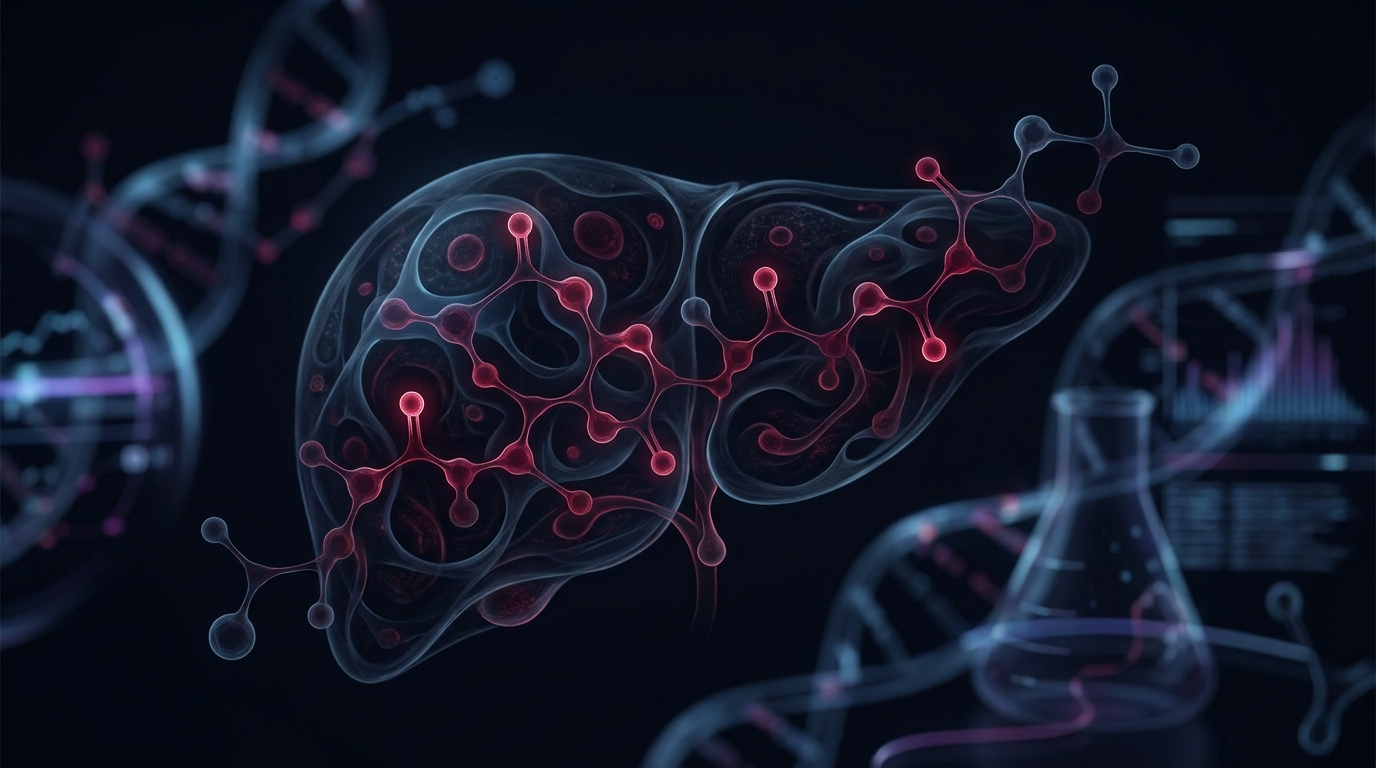
The liver is a vital organ responsible for numerous metabolic and detoxification processes. Maintaining liver health is crucial for overall well-being, and scientific research is continuously exploring novel compounds that may offer protective benefits. Among these, the Livagen peptide has emerged as a subject of interest for its potential hepatoprotective properties. This article aims to provide a comprehensive overview of the research surrounding Livagen peptide, focusing on its mechanisms of action, key findings from scientific studies, and potential applications within the research community. It is important to reiterate that all products available from PeptideBull are strictly for research purposes only and are not intended for human consumption or medical advice.
What Is Livagen Peptide?
Livagen, also known by its chemical designation TT-232, is a synthetic peptide that has garnered attention in preclinical research for its potential therapeutic effects, particularly concerning liver health. It is a derivative of thymosin beta-4, a naturally occurring peptide involved in cellular processes such as cell migration, differentiation, and wound healing. While thymosin beta-4 has a broad range of biological activities, Livagen has been specifically investigated for its targeted effects on the liver. Its development was driven by the need to identify compounds that could mitigate liver damage caused by various insults, including toxins, infections, and chronic diseases. Researchers are exploring its capacity to support liver function and potentially reverse certain pathological changes observed in liver tissues.
Research Mechanisms of Livagen Peptide
The proposed mechanisms by which Livagen peptide exerts its hepatoprotective effects are multifaceted, drawing upon the known functions of its parent peptide and unique modifications. One primary area of investigation involves its potential to modulate inflammatory pathways within the liver. Chronic inflammation is a hallmark of many liver diseases, such as non-alcoholic fatty liver disease (NAFLD) and hepatitis, and can lead to fibrosis and cirrhosis. Livagen is thought to potentially downregulate pro-inflammatory cytokines and signaling molecules, thereby reducing hepatocellular injury and promoting a less inflammatory microenvironment.
Furthermore, research suggests that Livagen may play a role in promoting cellular repair and regeneration. Thymosin beta-4 is known to interact with actin, a critical protein involved in cell structure and movement, facilitating cell migration to sites of injury. Livagen may leverage this property to enhance the repair of damaged hepatocytes (liver cells) and support the regeneration of liver tissue. This regenerative capacity is particularly significant in the context of liver diseases where the organ's ability to self-repair is compromised.
Another proposed mechanism involves the peptide's potential antioxidant effects. Oxidative stress, an imbalance between reactive oxygen species (ROS) and the body's antioxidant defenses, is a significant contributor to liver damage. By potentially scavenging free radicals or enhancing the expression of endogenous antioxidant enzymes, Livagen might help protect liver cells from oxidative damage. This could be crucial in preventing the progression of liver fibrosis and other complications.
Additionally, Livagen's influence on cellular signaling pathways related to cell survival and apoptosis (programmed cell death) is being explored. By promoting the survival of stressed hepatocytes and inhibiting excessive apoptosis, the peptide could help preserve liver mass and function. Understanding these complex molecular interactions is key to appreciating Livagen's potential as a research tool for liver health.
Key Study Findings in Livagen Research
Preclinical studies have provided valuable insights into the efficacy of Livagen peptide in various models of liver injury. One significant area of research has focused on its effects in models of drug-induced liver injury (DILI), a common cause of acute liver failure. Studies have demonstrated that administration of Livagen can significantly reduce markers of liver damage, such as elevated liver enzymes (ALT and AST), and improve histological outcomes in animal models exposed to hepatotoxic drugs. These findings suggest a protective role against chemical insults.
Research has also explored Livagen's potential in models of non-alcoholic steatohepatitis (NASH), a more advanced form of NAFLD characterized by inflammation and liver cell damage. In these studies, Livagen treatment has been associated with a reduction in hepatic steatosis (fat accumulation), inflammation, and fibrosis. This indicates a potential to counteract the complex pathologies involved in metabolic liver diseases. For researchers interested in metabolic health, exploring compounds that influence fat metabolism and liver function might be of interest; consider exploring our range of fat-loss peptides.
Furthermore, studies investigating Livagen in the context of liver fibrosis, a condition where scar tissue replaces healthy liver tissue, have shown promising results. Livagen has been observed to inhibit the activation of hepatic stellate cells, the primary cells responsible for producing scar tissue in the liver. By preventing or reducing fibrosis, Livagen could potentially help maintain liver architecture and function. This aligns with broader research into agents that promote tissue repair and regeneration, a category that includes many peptides available for scientific investigation. You can find related research compounds in our recovery and healing peptides section.
A notable study by Chen et al. (2018) investigated the effects of Livagen in a carbon tetrachloride (CCl4)-induced liver injury model. The results indicated that Livagen treatment significantly reduced hepatocyte apoptosis, suppressed inflammatory responses, and attenuated liver fibrosis. The researchers proposed that Livagen's protective effects were mediated through the modulation of signaling pathways involved in inflammation and cell death [Chen et al., 2018](https://pubmed.ncbi.nlm.nih.gov/30301640/).
Another line of inquiry has examined Livagen's impact on bile duct ligation (BDL) models, which mimic cholestatic liver diseases. Preliminary findings suggest that Livagen may offer protection against bile duct obstruction-induced liver injury by mitigating cholestasis and inflammation. These diverse findings underscore the broad potential of Livagen peptide in addressing various forms of liver pathology in research settings.
Research Applications of Livagen Peptide
The research applications for Livagen peptide are primarily centered around preclinical investigations into liver diseases and regenerative medicine. As a tool for scientists, Livagen can be utilized in various in vitro and in vivo models to:
- Investigate mechanisms of liver injury and repair: Researchers can use Livagen to explore the intricate pathways involved in how liver cells respond to damage and how regeneration occurs. Its known interactions with cellular repair mechanisms make it a valuable probe in this field.
- Evaluate potential therapeutic strategies for liver diseases: Livagen can be tested in models of hepatitis, fatty liver disease, fibrosis, and drug-induced liver injury to assess its efficacy in preventing or reversing disease progression. This could inform the development of future therapeutic interventions, although it is crucial to remember that these are research applications only.
- Study the role of thymosin-like peptides in hepatic health: By using a specific analog like Livagen, researchers can gain a deeper understanding of the broader family of thymosin peptides and their specific roles in maintaining liver homeostasis and function.
- Explore antioxidant and anti-inflammatory effects in hepatic contexts: Livagen can serve as a model compound to study how targeted modulation of oxidative stress and inflammation impacts liver health in various disease states.
For researchers exploring compounds that influence cellular processes, regeneration, or possess anti-inflammatory properties, Livagen peptide offers a unique avenue for study. Its potential applications extend beyond just liver health, touching upon broader themes in regenerative medicine and cellular protection. Scientists interested in exploring peptides that may support cellular repair and regeneration might also find our category of anti-aging peptides relevant for their research.
It is imperative to emphasize that Livagen peptide, like all peptides supplied by PeptideBull, is intended strictly for laboratory research use by qualified personnel. It is not a pharmaceutical product, and no claims are made regarding its safety or efficacy in humans. All research involving these compounds must be conducted in accordance with ethical guidelines and institutional protocols.
Frequently Asked Questions
What is the primary focus of Livagen peptide research?
The primary focus of Livagen peptide research is its potential hepatoprotective effects, meaning its ability to protect the liver from damage and promote its repair and regeneration. Studies investigate its role in various liver conditions, including drug-induced liver injury, fatty liver disease, and fibrosis.
How does Livagen peptide potentially protect the liver?
Livagen peptide is thought to exert its protective effects through multiple mechanisms, including modulating inflammatory pathways, promoting cellular repair and regeneration of hepatocytes, potentially exhibiting antioxidant properties to combat oxidative stress, and influencing cell survival signaling pathways.
Are there published studies on Livagen peptide and liver health?
Yes, there are published preclinical studies in peer-reviewed journals investigating Livagen peptide's effects on liver health. These studies, often conducted in animal models, explore its efficacy in various models of liver injury and disease. For example, research has explored its use in models of drug-induced liver injury and non-alcoholic steatohepatitis.
Is Livagen peptide approved for human use?
No, Livagen peptide is not approved for human use. It is a research chemical intended solely for laboratory and scientific research purposes by qualified professionals. PeptideBull.com exclusively provides research peptides and does not offer medical advice or products for human consumption.
Where can I find more information on research peptides for liver health?
For more information on research peptides that may be relevant to liver health or other areas of biological research, you can explore the product catalog at PeptideBull.com. We offer a range of peptides categorized by their research applications, including those related to recovery, healing, and metabolic functions. For instance, exploring recovery and healing peptides might yield compounds of interest for researchers studying tissue repair.
What are the safety considerations when researching with Livagen peptide?
When researching with Livagen peptide, standard laboratory safety protocols must be strictly adhered to. This includes handling the peptide in a controlled laboratory environment, using appropriate personal protective equipment (PPE), and following recommended storage and disposal procedures. All research must be conducted by trained personnel aware of the potential hazards associated with handling novel chemical compounds.


