Peptide Storage Stability: Freeze-Dried Research Best Practices
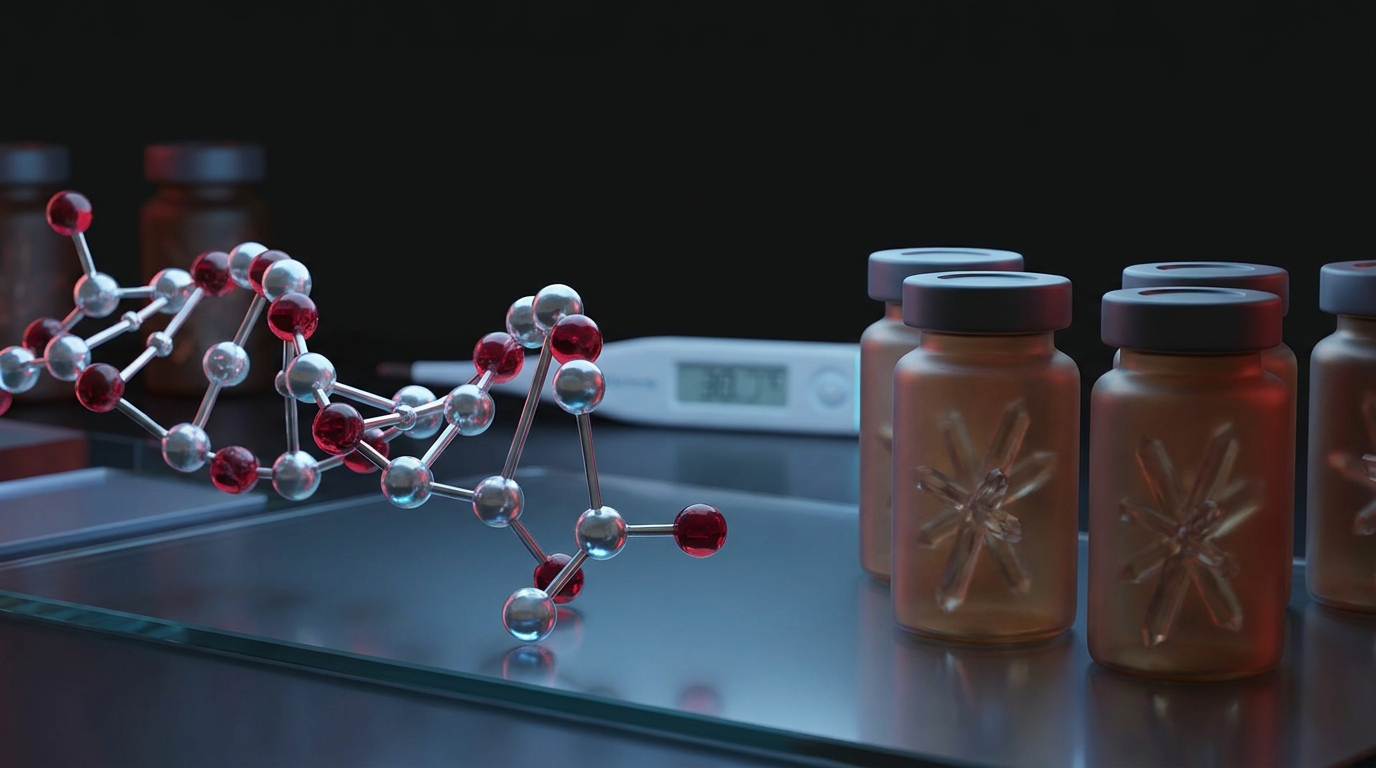
The integrity and efficacy of research peptides are paramount for reproducible scientific outcomes. Proper handling and storage are critical, especially for lyophilized peptides, which represent a common and stable form for many complex biomolecules. Understanding peptide storage stability, particularly the nuances of freeze-dried (lyophilized) research peptides, is essential for researchers to maintain the quality of their experimental materials. Lyophilization, or freeze-drying, is a process that removes water from a sample by freezing it and then reducing the surrounding pressure to allow the frozen water in the sample to sublimate directly from the solid phase to the gas phase. This technique is widely employed in the pharmaceutical and biotechnology industries for preserving sensitive biological products, including peptides, due to its ability to significantly enhance shelf-life and stability compared to liquid formulations. At PeptideBull.com, we are committed to providing high-purity research peptides, and we understand the importance of guiding our customers on best practices for their storage and handling to ensure optimal research results. This article delves into the critical factors affecting the stability of lyophilized peptides and outlines best practices for their preservation.
Understanding Lyophilized Peptides and Stability
Lyophilization is a sophisticated dehydration technique that involves three primary stages: freezing, primary drying (sublimation), and secondary drying (desorption). The initial freezing step is crucial; it must be performed rapidly to create small ice crystals, which minimizes damage to the peptide structure. During primary drying, the temperature is kept below the triple point of water, allowing ice to sublimate directly into vapor under vacuum. This stage removes the bulk of the water. The secondary drying stage then removes residual, unfrozen water molecules that are bound to the peptide structure, typically by increasing the temperature slightly while maintaining the vacuum. This process results in a dry, porous cake or powder that is significantly more stable than its liquid counterpart.
The stability of a lyophilized peptide is influenced by several intrinsic and extrinsic factors. Intrinsic factors include the peptide's amino acid sequence, its inherent susceptibility to degradation pathways such as oxidation, hydrolysis, deamidation, and aggregation. For instance, peptides containing methionine, cysteine, or tryptophan residues are more prone to oxidation. The presence of specific amino acid side chains can also influence susceptibility to hydrolysis. Extrinsic factors encompass environmental conditions during storage and handling, such as temperature, humidity, light exposure, and the presence of oxygen. Lyophilization itself, while enhancing stability, can sometimes introduce stresses that might affect the peptide if not performed optimally. Therefore, understanding these factors is key to maintaining the long-term viability of research peptides.
Factors Affecting Peptide Storage Stability
Several environmental and chemical factors can compromise the stability of lyophilized peptides, even after the freeze-drying process. Temperature is perhaps the most significant factor. While lyophilization significantly extends shelf-life, peptides stored at higher temperatures will degrade faster than those stored at colder temperatures. Refrigeration (2-8°C) or freezing (-20°C or below) are standard recommendations for long-term storage. Fluctuations in temperature can also be detrimental, leading to partial melting and subsequent degradation or aggregation. Humidity is another critical factor; exposure to moisture can cause the lyophilized peptide cake to rehydrate, leading to hydrolysis and microbial growth if not handled in a controlled environment. Light, particularly UV radiation, can catalyze degradation reactions in certain peptides. Oxygen can lead to oxidative degradation of susceptible amino acid residues. Therefore, storing peptides in tightly sealed vials, often under an inert atmosphere like nitrogen or argon, can further enhance stability.
Chemical factors also play a role. The pH of the solution from which the peptide was lyophilized can affect its stability. Residual excipients or buffers used during the lyophilization process can also influence stability. For example, certain buffers might promote or inhibit degradation pathways. The physical state of the peptide itself – its amorphous or crystalline state – can also impact stability, with amorphous states generally being less stable. Aggregation, where peptide molecules clump together, is a common degradation pathway that can occur during storage, particularly if temperature excursions happen or if the peptide concentration is high. Aggregation can lead to loss of biological activity and altered physical properties. Researchers must be mindful of these factors to ensure their peptide storage stability protocols are robust.
Best Practices for Lyophilized Peptide Storage
To maximize the lifespan and maintain the integrity of lyophilized research peptides, adhering to strict storage and handling protocols is essential. The primary recommendation is to store peptides in a cool, dry environment. For long-term storage, a temperature of -20°C or lower is ideal. If short-term storage is required, refrigeration at 2-8°C may suffice, but consistency is key. Avoid repeated freeze-thaw cycles, as these can introduce moisture and temperature fluctuations, potentially damaging the peptide structure. Always keep the vials tightly sealed to prevent moisture ingress and contamination. When reconstituting a lyophilized peptide, it is crucial to allow the vial to reach room temperature before opening it. This condensation prevention step minimizes the risk of moisture entering the vial and degrading the peptide. Use sterile techniques when opening and reconstituting vials to prevent microbial contamination, which can rapidly degrade peptides and render them unsuitable for research.
Reconstituted peptide solutions are generally less stable than their lyophilized counterparts. The stability of a reconstituted peptide is highly dependent on the solvent used, pH, temperature, and concentration. It is advisable to prepare working solutions at the concentrations required for immediate experimental use and to store any aliquots of reconstituted peptide at -20°C or lower. Avoid storing reconstituted solutions at room temperature for extended periods. For peptides intended for long-term storage after reconstitution, it is often recommended to aliquot them into smaller volumes to avoid repeated freeze-thaw cycles of the entire stock. Understanding the specific stability profile of each peptide is also important; some peptides are inherently more stable than others. For example, peptides with structural modifications like D-amino acids or cyclization may exhibit enhanced stability. Researchers can consult the product data sheets provided by suppliers like PeptideBull.com for specific storage and handling recommendations for each peptide. For instance, if you are working with a peptide like Epitalon, understanding its specific stability requirements is key [1].
Reconstitution and Handling of Lyophilized Peptides
The process of reconstituting lyophilized peptides requires careful attention to detail to ensure the peptide dissolves properly and maintains its integrity. The choice of reconstitution solvent is critical and depends on the peptide's solubility characteristics and the intended downstream application. Common solvents include sterile, deionized water, phosphate-buffered saline (PBS), or specific organic solvents like acetic acid or ethanol, often used in combination with water. Always consult the product information or manufacturer's recommendations for the appropriate solvent. Once the solvent is added, gently swirl the vial or use a vortex mixer at low speed to aid dissolution. Avoid vigorous shaking, which can cause aggregation or denaturation. Ensure the peptide is fully dissolved before proceeding with further dilutions or experimental use.
After reconstitution, the stability of the peptide in solution is significantly reduced compared to its lyophilized state. It is best practice to use reconstituted peptides promptly. If storage of the reconstituted solution is necessary, it should be stored at the lowest recommended temperature (typically -20°C or below) and protected from light. Aliquoting the reconstituted peptide into smaller volumes before freezing can prevent repeated freeze-thaw cycles, which are detrimental to peptide stability. For researchers investigating areas such as recovery and healing, ensuring the stability of peptides used in their assays is crucial. Similarly, for those exploring fat loss peptides or cognitive support peptides, maintaining the integrity of the research material through proper handling and reconstitution is non-negotiable. Always follow sterile procedures to prevent bacterial or fungal contamination, which can alter the peptide's structure and activity.
Degradation Pathways and Monitoring Stability
Peptides are susceptible to several degradation pathways that can compromise their structure and function over time. Hydrolysis, the cleavage of peptide bonds by water, is a common pathway, particularly at acidic or alkaline pH and elevated temperatures. Deamidation, the conversion of asparagine or glutamine residues to aspartic acid or glutamic acid, respectively, can alter the peptide's charge and conformation. Oxidation, especially of methionine, cysteine, tryptophan, and tyrosine residues, is another significant degradation route, often catalyzed by reactive oxygen species or metal ions. Disulfide bond formation or breakage can also occur, altering the peptide's tertiary structure. Aggregation, as previously mentioned, is a physical process where peptides associate to form larger structures, potentially leading to loss of activity.
Monitoring the stability of research peptides is essential for ensuring the reliability of experimental data. Techniques such as High-Performance Liquid Chromatography (HPLC) can be used to assess peptide purity and detect the presence of degradation products. Mass Spectrometry (MS) can confirm the molecular weight and identify specific modifications or fragmentation patterns indicative of degradation. Spectroscopic methods like UV-Vis spectroscopy can sometimes be used to monitor aggregation or changes in conformation. For researchers working with complex peptide mixtures or peptide blends, analytical techniques become even more critical. Ensuring the quality of your research materials, whether they are anti-aging peptides or related to growth hormone research, is fundamental. By understanding these degradation pathways and employing appropriate analytical methods, researchers can have greater confidence in the quality and stability of the peptides they use. The general principles of peptide storage stability apply broadly across different peptide classes.
Frequently Asked Questions
What is the typical shelf-life of a lyophilized peptide?
The shelf-life of a lyophilized peptide can vary significantly depending on its intrinsic stability and storage conditions. However, when stored properly at -20°C or below, many lyophilized peptides can remain stable for several years. Always refer to the manufacturer's Certificate of Analysis (CoA) and recommended storage conditions for specific guidance.
Can I store reconstituted peptide solutions at room temperature?
It is generally not recommended to store reconstituted peptide solutions at room temperature for any significant duration. Room temperature storage accelerates degradation pathways such as hydrolysis and oxidation. Reconstituted solutions should ideally be used immediately or stored frozen at -20°C or below, aliquoted to avoid freeze-thaw cycles.
What is the best solvent for reconstituting a lyophilized peptide?
The best solvent depends on the specific peptide's properties and intended use. Common choices include sterile deionized water, PBS, or specific concentrations of acetic acid or ethanol. Always consult the product documentation provided by the supplier for the recommended reconstitution solvent.
How does light affect peptide stability?
Light, especially UV radiation, can catalyze degradation reactions in certain peptides, leading to photo-oxidation or other structural changes. Therefore, it is advisable to protect peptides, both in lyophilized and reconstituted forms, from direct light exposure during storage and handling.
What are the signs that a peptide may have degraded?
Signs of peptide degradation can include a change in appearance (e.g., clumping, discoloration of the lyophilized powder or reconstituted solution), loss of solubility, or a decrease in expected experimental activity. Analytical methods like HPLC or mass spectrometry are the most definitive ways to assess degradation.
Are SARMs affected by storage stability the same way as peptides?
While SARMs (Selective Androgen Receptor Modulators) are not peptides, they are also sensitive research compounds. Similar principles of storage stability apply, including protection from heat, light, and moisture. Lyophilization is less common for SARMs, which are often supplied as powders or solutions. Always follow the specific storage recommendations provided for SARMs to ensure their integrity for research purposes.
[1] Khavinson VKh, Linich AU, Malyshev YN, et al. (2004). Effect of Epitalon on the human healthspan. *Neuroendocrinology Letters*, 25(1-2):101-107. (PMID: 15004573)