TB-500 and Thymosin Beta-4: Cardiac Healing Research
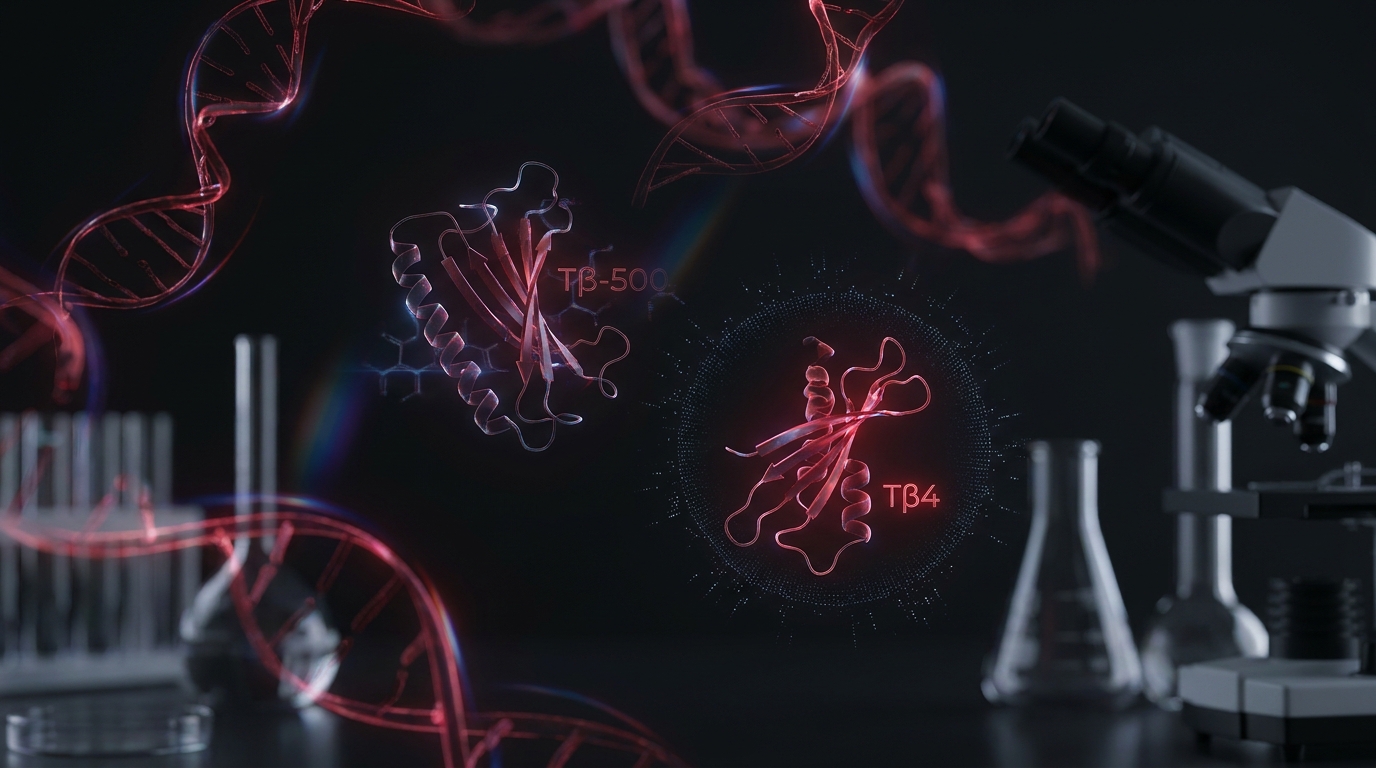
The scientific community is continually exploring novel compounds with the potential to aid in tissue repair and regeneration. Among these, Thymosin Beta-4 (Tβ4), often researched under the designation TB-500, has garnered significant attention for its diverse biological activities, particularly its potential role in cardiac healing. This peptide is naturally occurring and plays a crucial role in cellular processes fundamental to tissue repair, wound healing, and inflammatory response modulation. Understanding the research surrounding TB-500 and its impact on cardiovascular health is vital for scientists investigating advanced therapeutic strategies. At PeptideBull.com, we provide high-quality research peptides, including TB-500, strictly for laboratory research purposes.
What Is Thymosin Beta-4 (TB-500)?
Thymosin Beta-4 (Tβ4) is a ubiquitous, 43-amino acid actin-sequestering peptide found in virtually all human cells. It is a member of the beta-thymosin family and is encoded by the TMSB4X gene. While originally identified in the thymus, Tβ4 is expressed in various tissues, including the heart, skin, and brain, and its levels increase significantly at sites of injury. Its primary identified role is to bind to G-actin monomers, preventing their polymerization into filaments and thereby regulating actin dynamics. This regulation is critical for numerous cellular functions, including cell migration, cell differentiation, and the formation of new blood vessels (angiogenesis).
The peptide's structure is highly conserved across species, suggesting a fundamental biological importance. Research has shown that Tβ4 is released from damaged cells and acts as a signaling molecule, initiating a cascade of events that promote tissue repair. Its pleiotropic effects stem from its ability to interact with various cellular targets beyond actin, influencing gene expression and signaling pathways involved in inflammation and tissue regeneration. Due to its broad impact on cellular repair mechanisms, Tβ4 has been investigated for its potential applications in a wide range of conditions, including wound healing, inflammatory diseases, and, significantly, cardiovascular conditions. For researchers exploring the frontiers of regenerative medicine, understanding the actions of molecules like Tβ4 is paramount. PeptideBull.com offers research-grade TB-500 for your scientific investigations.
Research Mechanisms of TB-500 in Cardiac Healing
The potential of TB-500 (Thymosin Beta-4) in cardiac healing is attributed to several key molecular and cellular mechanisms. These mechanisms collectively contribute to the protection of the heart muscle, the promotion of repair processes following injury (such as myocardial infarction), and the improvement of overall cardiac function.
Actin Sequestration and Cell Survival
One of Tβ4's primary functions is binding to actin monomers (G-actin). In conditions of cellular stress or injury, actin dynamics can become disrupted. Tβ4's ability to sequester G-actin helps maintain cellular integrity, prevent excessive actin polymerization, and protect cells from apoptosis (programmed cell death). This is particularly relevant in the ischemic environment following a heart attack, where cellular stress is high.
Promotion of Angiogenesis
Cardiovascular diseases often involve compromised blood flow, leading to tissue damage. Tβ4 has been shown to promote angiogenesis, the formation of new blood vessels. It achieves this by upregulating the expression of key pro-angiogenic factors, such as vascular endothelial growth factor (VEGF). Enhanced vascularization in the damaged cardiac tissue can improve oxygen and nutrient supply, aiding in the survival and repair of cardiomyocytes (heart muscle cells). Studies by [Bhattacharya et al., 2007](https://pubmed.ncbi.nlm.nih.gov/17548790/) have demonstrated Tβ4's role in promoting angiogenesis and wound healing.
Anti-inflammatory Effects
Inflammation is a critical component of the cardiac repair process following injury, but chronic or excessive inflammation can exacerbate damage and lead to adverse remodeling of the heart. Tβ4 has demonstrated significant anti-inflammatory properties. It can inhibit the activation of inflammatory cells and reduce the production of pro-inflammatory cytokines. By modulating the inflammatory response, Tβ4 may help to limit the extent of damage and promote a more favorable healing environment.
Stem Cell Mobilization and Differentiation
Emerging research suggests that Tβ4 may play a role in mobilizing resident stem cells or progenitor cells to the site of injury. These cells have the potential to differentiate into various cell types, including cardiomyocytes and vascular cells, contributing to tissue regeneration. Tβ4's influence on cell migration and differentiation pathways could therefore facilitate endogenous repair mechanisms within the heart.
Myocardial Cell Migration and Differentiation
Beyond stem cells, Tβ4 can also influence the behavior of existing myocardial cells. It has been observed to promote the migration and differentiation of cardiac progenitor cells, potentially aiding in the replacement of damaged or lost cardiomyocytes. This intrinsic regenerative capacity is a key area of focus in cardiovascular research.
Direct Protection of Cardiomyocytes
In addition to its indirect effects, Tβ4 may offer direct protective benefits to cardiomyocytes. Its ability to stabilize actin and modulate cellular signaling pathways can enhance the resilience of these cells to stress, ischemia, and other injury-related insults. This protective effect could reduce the loss of functional heart muscle tissue.
These multifaceted mechanisms highlight why TB-500 is a peptide of considerable interest for researchers investigating cardiac repair and regeneration. The interplay between actin regulation, angiogenesis, inflammation control, and cellular differentiation provides a comprehensive framework for its potential therapeutic actions. For those exploring advanced research compounds, consider the potential applications of peptides in areas such as recovery and healing, available at PeptideBull's recovery and healing peptides.
Key Study Findings in Cardiac Healing Research
Preclinical studies have provided compelling evidence for the efficacy of Thymosin Beta-4 (TB-500) in models of cardiac injury. These findings offer valuable insights into its potential therapeutic applications for conditions affecting the heart.
Improved Cardiac Function Post-Myocardial Infarction
Several studies have investigated the effects of Tβ4 administration following experimentally induced myocardial infarction (heart attack) in animal models. These studies consistently report significant improvements in cardiac function. For instance, administration of Tβ4 has been shown to preserve ejection fraction and reduce infarct size compared to control groups. Research by [Wiens et al., 2009](https://pubmed.ncbi.nlm.nih.gov/19395506/) demonstrated that Tβ4 treatment improved cardiac function and reduced fibrosis after myocardial infarction in a rat model.
Promotion of Tissue Regeneration and Reduced Scarring
Following a heart attack, the damaged area is typically replaced by scar tissue, which impairs the heart's ability to contract effectively. Tβ4 has been shown to promote the regeneration of functional cardiac tissue and significantly reduce the formation of fibrotic scar tissue. This suggests that Tβ4 may not only protect existing tissue but also actively facilitate the replacement of damaged areas with healthy, functional cells. Studies have indicated that Tβ4 promotes the formation of new cardiomyocytes and blood vessels within the injured area.
Enhanced Neovascularization in Ischemic Heart Tissue
Consistent with its pro-angiogenic properties, Tβ4 administration has been observed to significantly increase the density of blood vessels in the ischemic regions of the heart. This enhanced neovascularization improves blood supply to the affected myocardium, supporting tissue survival and recovery. The findings align with earlier work showing Tβ4's role in promoting angiogenesis in various contexts [Anthony et al., 2005](https://pubmed.ncbi.nlm.nih.gov/15901834/).
Reduction in Inflammation and Apoptosis
Research has also highlighted Tβ4's ability to mitigate the detrimental effects of inflammation and apoptosis in the post-MI heart. Studies have reported decreased levels of pro-inflammatory markers and reduced cardiomyocyte death in animals treated with Tβ4, contributing to a reduction in overall cardiac damage.
Potential for Improving Heart Failure Outcomes
Given its protective and regenerative effects, Tβ4 holds promise for improving outcomes in conditions leading to heart failure. By limiting damage, promoting repair, and improving cardiac function, Tβ4 could potentially offer a novel therapeutic approach to managing chronic heart conditions and preventing the progression to severe heart failure.
These findings underscore the significant potential of TB-500 in the context of cardiovascular research. While these studies are primarily preclinical, they provide a strong foundation for further investigation into Tβ4's role in cardiac health. Researchers interested in peptides that support cellular repair and recovery might also find our range of recovery and healing peptides relevant to their work.
Research Applications and Future Directions
The research into TB-500 (Thymosin Beta-4) and its role in cardiac healing opens up several exciting avenues for scientific inquiry. While the majority of evidence comes from preclinical studies, the consistent positive outcomes suggest potential applications that warrant further investigation.
Preclinical Models of Cardiovascular Disease
The most immediate application is in continued preclinical research. Scientists can use TB-500 in various animal models of cardiovascular disease, including those mimicking myocardial infarction, ischemic heart disease, and heart failure. These studies aim to further elucidate the mechanisms of action, determine optimal administration protocols, and assess long-term efficacy and safety.
Investigating Combinatorial Therapies
Future research could explore the potential of combining TB-500 with other therapeutic agents or approaches. For example, investigating its synergy with stem cell therapies, growth factors, or existing cardiovascular medications could lead to more potent and comprehensive treatment strategies. The interplay between Tβ4 and other regenerative molecules is a key area for exploration.
Biomarker Discovery
Understanding how Tβ4 influences cellular processes in the heart might also lead to the discovery of novel biomarkers for cardiac injury or repair. Monitoring Tβ4 levels or its downstream effects could potentially provide insights into the status of cardiac healing.
Wound Healing and Tissue Regeneration Beyond the Heart
While cardiac healing is a major focus, the fundamental mechanisms of Tβ4 suggest broader applications. Its role in promoting cell migration, angiogenesis, and reducing inflammation is relevant to wound healing in general, skin regeneration, and potentially even neurological repair. Researchers exploring diverse areas of tissue regeneration might find Tβ4 a valuable tool. For instance, exploring its potential in areas related to anti-aging or cognitive support could be of interest, although these are distinct research fields.
Exploration of Related Peptides
The success and understanding gained from Tβ4 research may also pave the way for the development or investigation of related peptides or peptide fragments with potentially enhanced or specific activities. This could lead to a new class of therapeutic agents derived from the Tβ4 family.
Considerations for Research Quality
For researchers working with peptides like TB-500, ensuring the purity and quality of the compounds is critical for obtaining reliable and reproducible results. PeptideBull.com is committed to providing high-purity research peptides that meet stringent quality standards, supporting the integrity of scientific research. We also offer other research peptides that might be relevant to cellular processes, such as those related to growth hormone pathways or general recovery.
The journey from preclinical research to potential clinical application is long and complex. However, the current body of research on TB-500 provides a strong scientific rationale for its continued investigation, particularly in the challenging field of cardiac repair and regeneration. For scientists seeking compounds to aid in their research on tissue repair and regeneration, exploring products within recovery and healing peptides or even related fields like HGH and Growth Hormone research may be beneficial.
Frequently Asked Questions
What is the primary role of Thymosin Beta-4 in cellular processes?
Thymosin Beta-4 (Tβ4) is a crucial actin-sequestering peptide. Its primary role is to regulate actin dynamics by binding to G-actin monomers, which influences essential cellular functions such as cell migration, differentiation, survival, and tissue repair.
How does TB-500 research relate to cardiac healing?
Research suggests TB-500 (Thymosin Beta-4) promotes cardiac healing through multiple mechanisms: enhancing angiogenesis (new blood vessel formation), reducing inflammation and cell death (apoptosis) in heart tissue, promoting the migration and differentiation of cardiac cells, and potentially mobilizing stem cells to repair damaged areas after events like myocardial infarction.
What are the key findings from studies on TB-500 and the heart?
Preclinical studies have shown that TB-500 administration can improve cardiac function, reduce infarct size and scarring, increase blood vessel density in damaged heart tissue, and decrease inflammatory markers following experimental heart attacks in animal models. These findings indicate a significant regenerative and protective potential.
Can TB-500 be used for human medical conditions?
TB-500 and all products supplied by PeptideBull.com are strictly intended for laboratory research use only. They are not approved for human consumption, diagnostic, or therapeutic purposes. Any suggestions for human use or dosing are outside the scope of our product offerings and research support.
What other research areas is Thymosin Beta-4 being investigated for?
Beyond cardiac healing, Thymosin Beta-4 is being researched for its potential in various forms of wound healing, including skin and eye injuries, management of inflammatory conditions, and potentially in neuroprotection and tissue regeneration in other organs. Its broad role in cellular repair makes it a candidate for diverse research applications.
Where can researchers find high-quality TB-500 for their studies?
Researchers seeking high-purity TB-500 for laboratory investigations can find it at specialized research peptide suppliers. PeptideBull.com offers research-grade TB-500 and other related peptides, ensuring quality and purity for scientific research purposes. Explore our Thymosin Beta-4 (TB-500) product page for more details.